

Illinois
Illinois
Illinois
Riley Kane
Riley Kane
Riley Kane
Loan Officer / NMLS# 2590564
"I've spent my whole life in Quincy, and I know a home is more than a loan. It's where a family's story gets written. Helping my neighbors get there is the best work I can imagine."
"I've spent my whole life in Quincy, and I know a home is more than a loan. It's where a family's story gets written. Helping my neighbors get there is the best work I can imagine."
"I've spent my whole life in Quincy, and I know a home is more than a loan. It's where a family's story gets written. Helping my neighbors get there is the best work I can imagine."
A lifelong Quincy resident and licensed Illinois loan officer, Riley helps local individuals and families navigate the path to homeownership with the patience and personal attention that come from serving your own community.
A lifelong Quincy resident and licensed Illinois loan officer, Riley helps local individuals and families navigate the path to homeownership with the patience and personal attention that come from serving your own community.
A lifelong Quincy resident and licensed Illinois loan officer, Riley helps local individuals and families navigate the path to homeownership with the patience and personal attention that come from serving your own community.
Riley Kane
Loan Officer NMLS 2590564
Loan Officer NMLS 2590564
(217) 440-9996
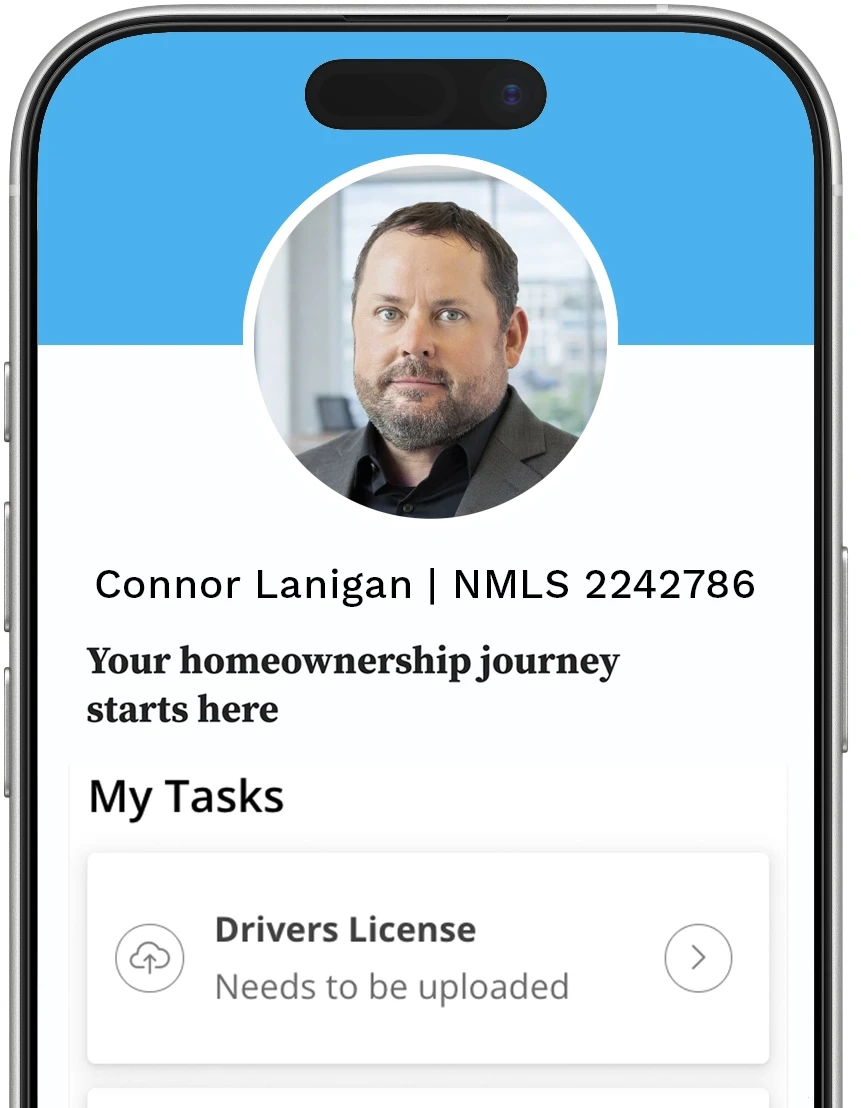
Download my mobile app



Apply with RIley, on any device, at any hour.
Starting your mortgage application doesn't mean sitting down with a stack of paperwork. Upload documents, track your loan status, and stay in direct contact with Riley and his team from your desktop, laptop, or phone… whenever it fits your life.
If you prefer to work in a web browser…
Meet Riley
Meet Riley
Riley has spent his entire life in Quincy, and it shows in how he works. He knows this community because it's his own, and he treats the families he helps like the neighbors they are. After a long career serving local homeowners, he moved into mortgage lending for a simple reason: he saw how much the right loan, structured the right way, can shape a family's financial future, and he wanted to help people get there with confidence.
That guidance is the heart of how Riley works. Buying a home is one of the biggest decisions most people ever make, and he walks his clients through every step of it, making sure they understand their options and never feel rushed or left in the dark. His aim is straightforward: that every borrower comes out the other side feeling supported and sure of the choice they made.
Family matters to Riley, and so does giving back. He coaches youth soccer in Quincy, where he mentors young athletes in teamwork, discipline, and perseverance, the same values he brings to his work every day. When he isn't helping clients or on the sidelines, you'll find him hiking, fishing, and exploring the outdoors with his family.
Your Mortgage Process, Step-by-Step
Step 1. Get Pre-Approved
Before you fall in love with a house, find out what you can actually afford. Pre-approval means a loan officer reviews your income, assets, and credit to calculate how much you qualify to borrow. You'll leave with a letter that shows sellers you're qualified and ready to close. In a market with multiple offers, that letter often decides which bids get taken seriously.

Your Mortgage Process, Step-by-Step
Step 2. Find Your Agent
A good buyer's agent knows the local market, and the best ones hear about listings before they go public. They negotiate on your side of the table, which matters more than most buyers expect. How agents are paid changed in 2024 and is now worked out deal by deal, so ask about the fee arrangement up front. Bring your pre-approval to your first meeting.

Your Mortgage Process, Step-by-Step
Step 3. Find Your Home
With a pre-approval in hand and an agent on your side, you're ready to shop seriously. Your agent sets up searches and tours and helps you weigh each property against your budget. When the right one appears, you're in a position to make an offer the same day.

Your Mortgage Process, Step-by-Step
Step 4. Submit Documents
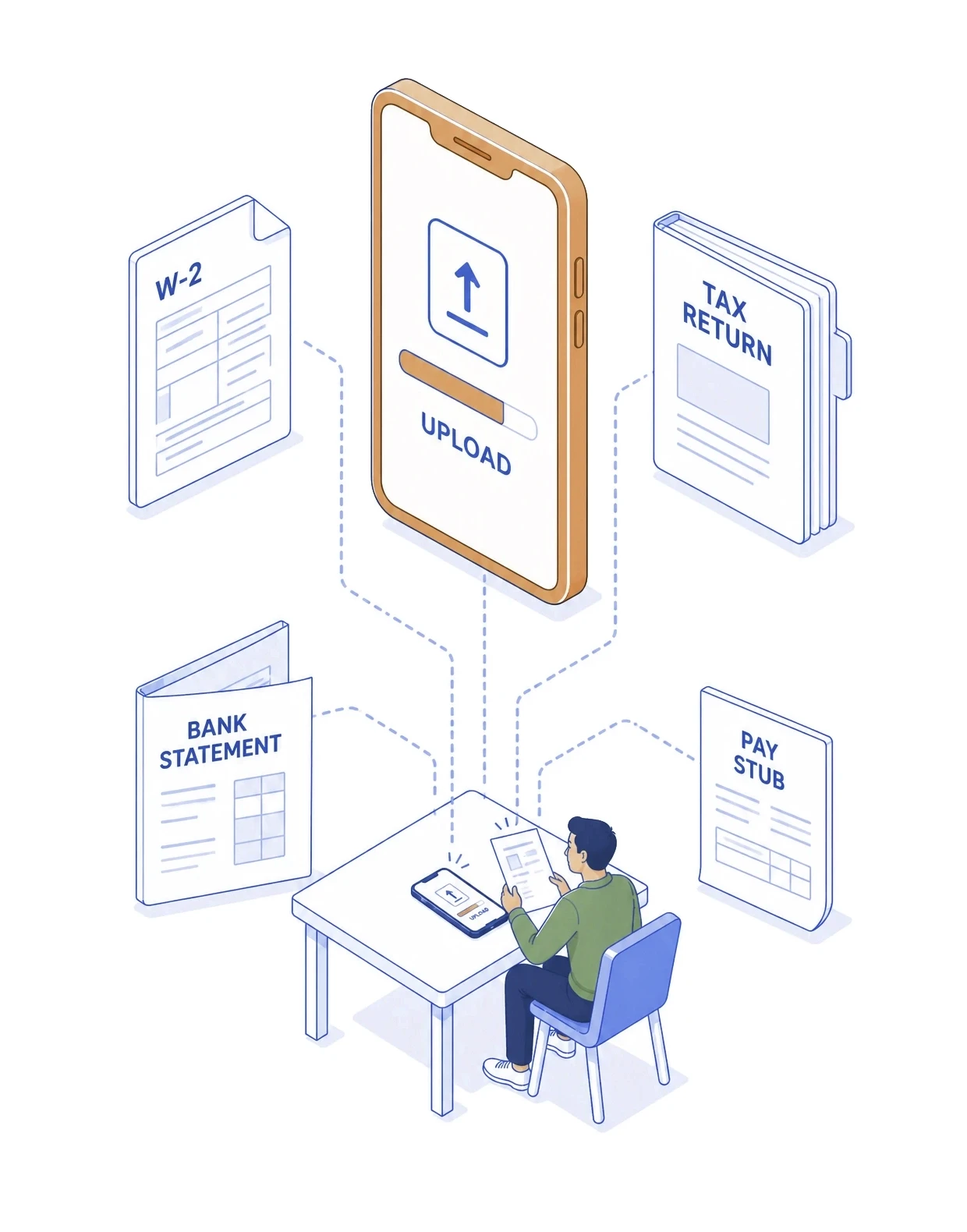
Once you're under contract, your loan officer will request a specific set of financial documents, including W-2s, tax returns, bank statements, and pay stubs. This is the raw material the lender needs to build your loan file. Our mobile app makes it easy to upload everything securely from your phone.

Your Mortgage Process, Step-by-Step
Step 5. Loan Underwriting
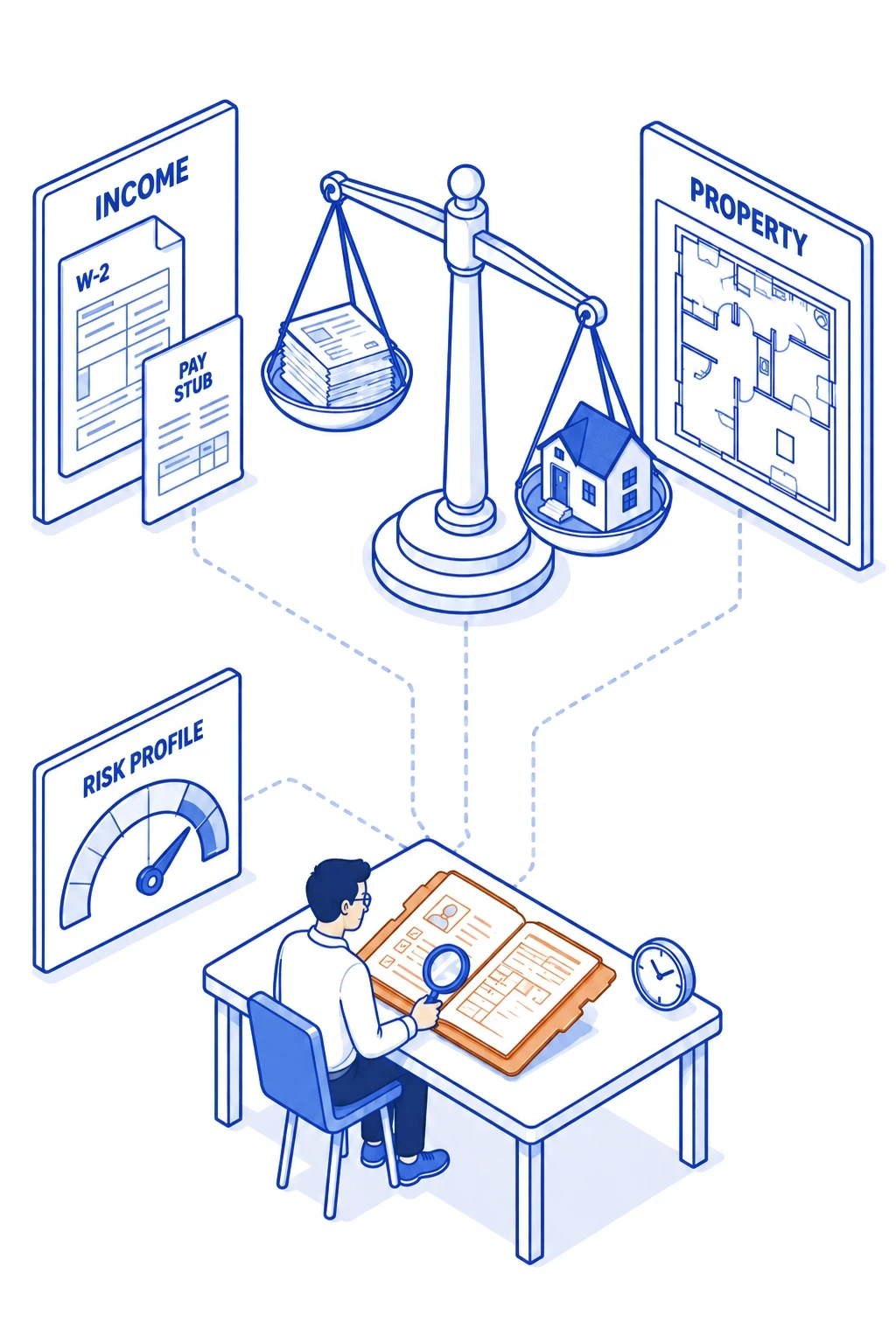
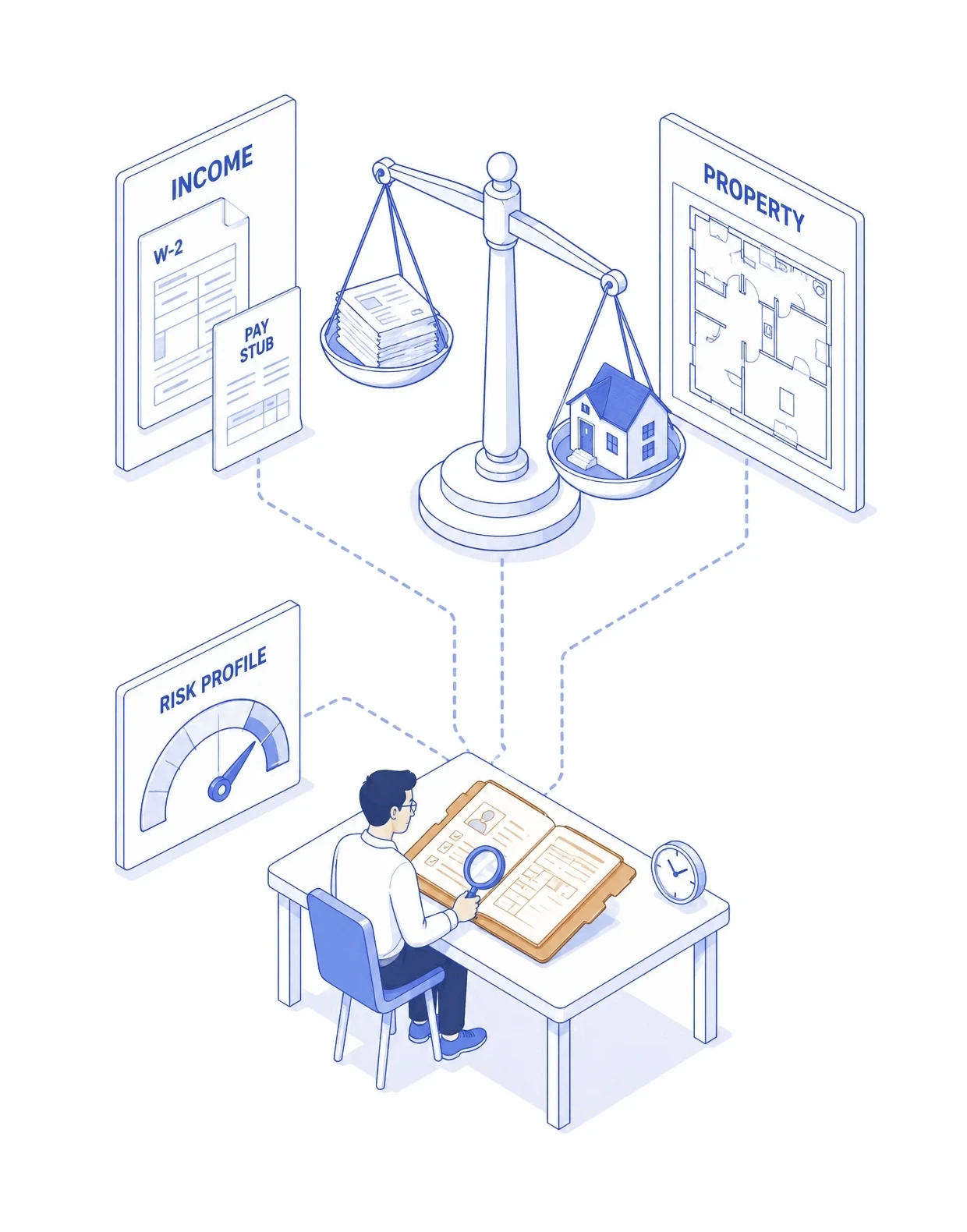
Underwriting is the part that happens behind the scenes, and that's by design. An underwriter reviews your complete loan file: your income, your credit profile, and the property's appraised value. They're answering one question: is this a sound investment? Most loans are approved conditionally, with small items to clarify or document. If questions come back, it's normal.
Your Mortgage Process, Step-by-Step
Step 6. The Closing Day
Closing day is when everything becomes official. You'll sign the final loan documents, pay any remaining closing costs, and receive the keys to your new home. Your loan officer will walk you through what to expect so there are no surprises. The whole appointment typically takes about an hour.

Your Mortgage Process, Step-by-Step
Step 7. The Keys Are Yours
You've done it. The loan is funded, the title is transferred, and the home is yours. Your loan officer stays reachable after closing, for first-payment questions, a refinance down the road, or a friend who needs a lender. Same person, same number.






Step 1. Get Pre-Approved
Before you fall in love with a house, find out what you can actually afford. Pre-approval means a loan officer reviews your income, assets, and credit to calculate how much you qualify to borrow. You'll leave with a letter that shows sellers you're qualified and ready to close. In a market with multiple offers, that letter often decides which bids get taken seriously.
Mortgage Calculators
Monthly Payment Estimator
Refinancing Calculator
Affordability Estimator
Closing Cost Estimator
How to use this calculator
This calculator provides a quick estimate to help you explore different home financing scenarios. Enter the values you know, such as home price, down payment, loan term, and estimated interest rate. Adjust the numbers to see how your monthly payment may change.
You can also include optional costs like property taxes, homeowners insurance, HOA dues, and additional monthly payments to get a more complete picture.
Use this tool to compare scenarios, not as a final quote.
Get a more accurate payment quote
Online calculators are helpful for planning, but small changes in interest rate, loan program, credit score, or property taxes can significantly impact your monthly payment.
We’re happy to provide a fast, personalized rate quote and help you compare loan options. There’s no obligation, and it only takes a few minutes to get clarity.
What's included in a mortgage payment
Your monthly mortgage payment may include:
- •Principal - The amount that reduces your loan balance
- •Interest - The cost of borrowing the money
- •Property Taxes - Often collected monthly and paid through escrow
- •Homeowners Insurance - Also typically escrowed
- •Private Mortgage Insurance (PMI) - Required for many loans with less than 20% down
- •HOA Fees - Home Owners Association, if applicable - HOA fees are typically required for condominiums
This calculator allows you to estimate all of these components so you can see your full projected monthly housing cost.
Need a more accurate payment estimate?
Get an accurate quote for your situation
Even small changes in interest rate can significantly impact your monthly payment and long-term cost.
Your actual rate depends on factors such as:
- •Credit score
- •Down payment
- •Loan type (Conventional, FHA, VA, etc.)
- •Loan term
- •Market conditions
If you're unsure what rate to use, we can quickly provide a realistic estimate based on your situation.
Ready to explore your options?

Disclaimer ~ How to Read the Results
The figures generated by this calculator are for informational and planning purposes only. They do not represent a loan offer, pre-approval, or commitment to lend, and should not be relied upon as a guarantee of any specific loan terms.
Your actual interest rate, monthly payment, closing costs, and total loan costs will depend on a number of individual factors, including your credit history, income, assets, debt obligations, property type and value, loan program, and current market conditions. Mortgage insurance, property taxes, and homeowners insurance, which vary by location and loan type, may also affect your monthly payment and are not reflected in all calculator outputs.
Thompson Kane & Company is a licensed direct mortgage banker. All loans are subject to credit approval and standard underwriting guidelines. Rates and program availability are subject to change without notice.
For a personalized, accurate mortgage quote based on your specific situation, connect with a Thompson Kane loan officer.
Frequently asked mortgage calculation questions
How accurate is this mortgage calculator?
Pretty accurate as a starting point, but it's still an estimate. The numbers shift based on your actual interest rate, credit score, loan program, and local tax rates, none of which a calculator can know for certain. Think of it as a planning tool, not a quote. When you're ready for a real number, a Thompson Kane loan officer can put together a personalized rate quote.
How much do I need for a down payment?
Less than you might think. While 20% down gets you the best rates and eliminates private mortgage insurance, many buyers put down far less. Conventional loans can go as low as 3%, and if you qualify for a VA loan, you may not need a down payment at all. The right amount depends on your savings and which loan program fits your situation.
Should I include HOA fees in my calculation?
If you're buying a condo, townhome, or a home in a planned community, yes. HOA fees are a real monthly cost and worth including so your estimate reflects what you'd actually pay each month. If you're buying a single-family home with no homeowners association, you can leave that field blank. Not sure whether a property has HOA fees? Your real estate agent or the listing details will have that information
What is PMI and when do I need it?
PMI, or private mortgage insurance, is typically required on conventional loans when your down payment is less than 20%. It protects the lender, but it's a cost you pay. The good news: once you've built enough equity in your home, you can usually request to have it removed. FHA loans have their own version of mortgage insurance, which works a bit differently and may last longer depending on your loan terms.
What's the difference between a 15-year and 30-year mortgage?
A 30-year mortgage spreads your payments out, keeping your monthly cost lower, but you'll pay significantly more in interest over time. A 15-year mortgage costs more each month but builds equity faster and saves a lot in interest over the life of the loan. Neither is the right answer for everyone. It comes down to your budget and how long you plan to keep the home.
What loan type is right for me?
It depends on your situation. That's not a dodge; it's genuinely true. Conventional loans are a strong fit for buyers with solid credit and some savings. FHA loans offer more flexibility for first-time buyers or those with lower credit scores. VA loans are an outstanding option for eligible veterans and active-duty service members, often with no down payment required. A Thompson Kane loan officer can walk you through what you qualify for and what makes the most sense for your goals.
Mortgage Calculators
Monthly Payment Estimator
Refinancing Calculator
Affordability Estimator
Closing Cost Estimator
How to use this calculator
This calculator provides a quick estimate to help you explore different home financing scenarios. Enter the values you know, such as home price, down payment, loan term, and estimated interest rate. Adjust the numbers to see how your monthly payment may change.
You can also include optional costs like property taxes, homeowners insurance, HOA dues, and additional monthly payments to get a more complete picture.
Use this tool to compare scenarios, not as a final quote.
Get a more accurate payment quote
Online calculators are helpful for planning, but small changes in interest rate, loan program, credit score, or property taxes can significantly impact your monthly payment.
We’re happy to provide a fast, personalized rate quote and help you compare loan options. There’s no obligation, and it only takes a few minutes to get clarity.
What's included in a mortgage payment
Your monthly mortgage payment may include:
- •Principal - The amount that reduces your loan balance
- •Interest - The cost of borrowing the money
- •Property Taxes - Often collected monthly and paid through escrow
- •Homeowners Insurance - Also typically escrowed
- •Private Mortgage Insurance (PMI) - Required for many loans with less than 20% down
- •HOA Fees - Home Owners Association, if applicable - HOA fees are typically required for condominiums
This calculator allows you to estimate all of these components so you can see your full projected monthly housing cost.
Need a more accurate payment estimate?
Get an accurate quote for your situation
Even small changes in interest rate can significantly impact your monthly payment and long-term cost.
Your actual rate depends on factors such as:
- •Credit score
- •Down payment
- •Loan type (Conventional, FHA, VA, etc.)
- •Loan term
- •Market conditions
If you're unsure what rate to use, we can quickly provide a realistic estimate based on your situation.
Ready to explore your options?
Disclaimer ~ How to Read the Results
The figures generated by this calculator are for informational and planning purposes only. They do not represent a loan offer, pre-approval, or commitment to lend, and should not be relied upon as a guarantee of any specific loan terms.
Your actual interest rate, monthly payment, closing costs, and total loan costs will depend on a number of individual factors, including your credit history, income, assets, debt obligations, property type and value, loan program, and current market conditions. Mortgage insurance, property taxes, and homeowners insurance, which vary by location and loan type, may also affect your monthly payment and are not reflected in all calculator outputs.
Thompson Kane & Company is a licensed direct mortgage banker. All loans are subject to credit approval and standard underwriting guidelines. Rates and program availability are subject to change without notice.
For a personalized, accurate mortgage quote based on your specific situation, connect with a Thompson Kane loan officer.
How accurate is this mortgage calculator?
Pretty accurate as a starting point, but it's still an estimate. The numbers shift based on your actual interest rate, credit score, loan program, and local tax rates, none of which a calculator can know for certain. Think of it as a planning tool, not a quote. When you're ready for a real number, a Thompson Kane loan officer can put together a personalized rate quote.
How much do I need for a down payment?
Less than you might think. While 20% down gets you the best rates and eliminates private mortgage insurance, many buyers put down far less. Conventional loans can go as low as 3%, and if you qualify for a VA loan, you may not need a down payment at all. The right amount depends on your savings and which loan program fits your situation.
Should I include HOA fees in my calculation?
If you're buying a condo, townhome, or a home in a planned community, yes. HOA fees are a real monthly cost and worth including so your estimate reflects what you'd actually pay each month. If you're buying a single-family home with no homeowners association, you can leave that field blank. Not sure whether a property has HOA fees? Your real estate agent or the listing details will have that information.
What is PMI and when do I need it?
PMI, or private mortgage insurance, is typically required on conventional loans when your down payment is less than 20%. It protects the lender, but it's a cost you pay. The good news: once you've built enough equity in your home, you can usually request to have it removed. FHA loans have their own version of mortgage insurance, which works a bit differently and may last longer depending on your loan terms.
What's the difference between a 15 and 30-year mortgage?
A 30-year mortgage spreads your payments out, keeping your monthly cost lower, but you'll pay significantly more in interest over time. A 15-year mortgage costs more each month but builds equity faster and saves a lot in interest over the life of the loan. Neither is the right answer for everyone. It comes down to your budget and how long you plan to keep the home.
What loan type is right for me?
It depends on your situation. That's not a dodge; it's genuinely true. Conventional loans are a strong fit for buyers with solid credit and some savings. FHA loans offer more flexibility for first-time buyers or those with lower credit scores. VA loans are an outstanding option for eligible veterans and active-duty service members, often with no down payment required. A Thompson Kane loan officer can walk you through what you qualify for and what makes the most sense for your goals.
Frequently asked questions
Down Payment Assistance
Your down payment may be smaller than you think.
Most buyers assume they need 20% saved before they can even start. The reality: there are hundreds of assistance programs across the country, including grants, second mortgages, and employer benefits, that most buyers never know to ask about.

CONVENTIONAL LOAN PROGRAM
Fannie Mae HomeReady
®
As little as 3% down, with up to $2,500 in help.
HomeReady® is Fannie Mae's flagship affordable mortgage program, built for creditworthy buyers who don't have a large down payment saved. Qualifying buyers at certain income levels may receive a $2,500 credit applied directly toward their down payment or closing costs.
DOWN PAYMENT & CLOSING COST ASSISTANCE
Community Seconds
®
Stack a second source of funding on top of your mortgage.
Community Seconds® pairs a conventional first mortgage with assistance from an approved source: state housing agencies, nonprofits, employers, even local governments. Combined financing can reach up to 105% of the home's value.
HOUSING FINANCE AGENCY PROGRAMS
State & Local HFA Programs
Your state may already have money waiting for you.
Every state has a Housing Finance Agency, and most run active programs offering grants, forgivable loans, or reduced-rate mortgages for qualifying buyers. Eligibility rules vary; income, purchase price, and location all factor in.
GRANTS & SPECIAL PROGRAMS
Grants & Employer Assistance
You might already qualify and not know it.
Grants from nonprofits, assistance tied to specific professions, and employer-sponsored homebuyer benefits are all eligible sources under Fannie Mae guidelines. These programs rarely advertise themselves. A loan officer who knows where to look can find options most buyers never discover.
Down Payment Assistance
Your down payment may be smaller than you think.
Most buyers assume they need 20% saved before they can even start. The reality: there are hundreds of assistance programs across the country, including grants, second mortgages, and employer benefits, that most buyers never know to ask about.
CONVENTIONAL LOAN PROGRAM
Fannie Mae HomeReady
®
As little as 3% down, with up to $2,500 in help.
HomeReady® is Fannie Mae's flagship affordable mortgage program, built for creditworthy buyers who don't have a large down payment saved. Qualifying buyers at certain income levels may receive a $2,500 credit applied directly toward their down payment or closing costs.
DOWN PAYMENT & CLOSING COST ASSISTANCE
Community Seconds
®
Stack a second source of funding on top of your mortgage.
Community Seconds® pairs a conventional first mortgage with assistance from an approved source: state housing agencies, nonprofits, employers, even local governments. Combined financing can reach up to 105% of the home's value.
HOUSING FINANCE AGENCY PROGRAMS
State & Local HFA Programs
Your state may already have money waiting for you.
Every state has a Housing Finance Agency, and most run active programs offering grants, forgivable loans, or reduced-rate mortgages for qualifying buyers. Eligibility rules vary; income, purchase price, and location all factor in.
GRANTS & SPECIAL PROGRAMS
Grants & Employer Assistance
You might already qualify and not know it.
Grants from nonprofits, assistance tied to specific professions, and employer-sponsored homebuyer benefits are all eligible sources under Fannie Mae guidelines. These programs rarely advertise themselves. A loan officer who knows where to look can find options most buyers never discover.
Down Payment Assistance
Your down payment may be smaller than you think.
Most buyers assume they need 20% saved before they can even start. The reality: there are hundreds of assistance programs across the country, including grants, second mortgages, and employer benefits, that most buyers never know to ask about.
CONVENTIONAL LOAN PROGRAM
Fannie Mae HomeReady
®
As little as 3% down, with up to $2,500 in help.
HomeReady® is Fannie Mae's flagship affordable mortgage program, built for creditworthy buyers who don't have a large down payment saved. Qualifying first-time buyers at certain income levels may receive a $2,500 credit applied directly toward their down payment or closing costs.
Learn more about HomeReady
®
→
DOWN PAYMENT & CLOSING COST ASSISTANCE
Community Seconds
®
Stack a second source of funding on top of your mortgage.
Community Seconds® pairs a conventional first mortgage with assistance from an approved source: state housing agencies, nonprofits, employers, even local governments. Combined financing can reach up to 105% of the home's value.
HOUSING FINANCE AGENCY PROGRAMS
State & Local HFA Programs
Your state may already have money waiting for you.
Every state has a Housing Finance Agency, and most run active programs offering grants, forgivable loans, or reduced-rate mortgages for qualifying buyers. Eligibility rules vary. Income, purchase price, and location all factor in.
GRANTS & SPECIAL PROGRAMS
Grants & Employer Assistance
You might already qualify and not know it.
Grants from nonprofits, assistance tied to specific professions, and employer-sponsored homebuyer benefits are all eligible sources under Fannie Mae guidelines. These programs rarely advertise themselves. A loan officer who knows where to look can find options most buyers never discover.
HOUSING FINANCE AGENCY PROGRAMS
State & Local HFA Programs
Your state may already have money waiting for you.
Every state has a Housing Finance Agency, and most run active programs offering grants, forgivable loans, or reduced-rate mortgages for qualifying buyers. Eligibility rules vary; income, purchase price, and location all factor in.
GRANTS & SPECIAL PROGRAMS
Grants & Employer Assistance
You might already qualify and not know it.
Grants from nonprofits, assistance tied to specific professions, and employer-sponsored homebuyer benefits are all eligible sources under Fannie Mae guidelines. These programs rarely advertise themselves. A loan officer who knows where to look can find options most buyers never discover.
Tom can help you find out which programs you qualify for.
Riley can help you find out which programs you qualify for.
Riley can help you find out which programs you qualify for.
Frequently Asked Questions
How is a Thompson Kane mortgage different from a bank or online lender?
At most lenders, your application enters a queue. At Thompson Kane, your file belongs to me and my team. You have my direct line, and I actually pick up. I work this market every day, so I know the local purchase timelines, the listing agents, and the quirks that can slow a close. That knowledge protects your closing date, because the person accountable for your file is the one running it.
How fast can you move when I find the right home?
Fast enough to make your offer credible. Before you're seriously shopping, I can get you a pre-approval based on reviewed credit, income, and assets, which carries far more weight with sellers than a quick pre-qualification letter. When you go under contract, we move immediately. Speed is a competitive advantage at the offer table, and I treat it like one.
Why are the rates I see online lower than what lenders quote me?
Advertised rates usually assume a borrower with a perfect credit profile, a 20% down payment, and a 30-year conventional loan on a primary residence. Your actual rate is priced to your specific loan scenario. What matters is the total cost of the loan over the time you'll actually hold it, and whether the lender you choose can close. I'll show you a full breakdown so you're comparing apples to apples.
What if my financial situation is complex, like self-employment or a recent job change?
That's exactly the kind of file I want. Straightforward W-2 purchases are easy. Complex scenarios are where deals get lost in underwriting, and where preparation wins them. If you're self-employed, we'll build your file around how underwriting actually evaluates your income. If you've changed jobs, there are often paths forward. Bring me the complicated situation before you assume the answer is no.
I'm a first-time buyer and I don't know where to start. Is that okay?
It's one of my favorite calls to get. I'll walk you through the entire process before we even look at numbers: what pre-approval means, how purchase offers work, what you'll need at closing, and what to watch for along the way. By the time you make an offer, you'll understand what you're agreeing to and why. No question is too basic.
Can you recommend a great real estate agent or title company?
If you already have an agent and an attorney you trust, use them. They work for you, and that choice is entirely yours. If you don't have those relationships yet, I work alongside agents and closing attorneys in this market every week, and I'm glad to make introductions. No obligation either way.
What does the pre-approval process actually involve?
A conversation and a few documents. We'll talk through your goals, pull your credit with your authorization, and review your income and assets. From there I'll give you a clear picture of what you're qualified for and what your monthly payment looks like across different down payment and loan term scenarios. Most people leave that conversation calmer than they started it. That's the point.
What happens if rates drop after I lock?
It depends on the loan program and the timing, and I'll be direct with you about your options before you lock. Some programs include float-down provisions. In other cases, the math on waiting isn't worth the risk. I'll give you my honest read on the rate environment and tell you what I'd do in your position. You're making a long-term decision, and you deserve a long-term perspective.
Ready to start your journey to home ownership?


©2026 Thompson Kane & Co., Inc. | NMLS# 898428
8040 Excelsior Dr, Suite 100, Madison, WI 53717
Ready to start your journey to home ownership?
©2026 Thompson Kane & Co., Inc. • NMLS# 898428
8040 EXCELSIOR DR, Suite 100, Madison, WI 53717
Ready to start your journey to home ownership?
©2026 Thompson Kane & Co., Inc
NMLS# 898428
8040 Excelsior Dr, Suite 100
Madison, WI 53717
Ready to start your journey to home ownership?
©2026 Thompson Kane & Co., Inc. | NMLS# 898428
8040 Excelsior Dr, Suite 100, Madison, WI 53717