
Thompson Kane's mortgage experts stay ahead of shifting housing market trends so you don’t have…
Budgeting for a Home in an Inflationary Economy
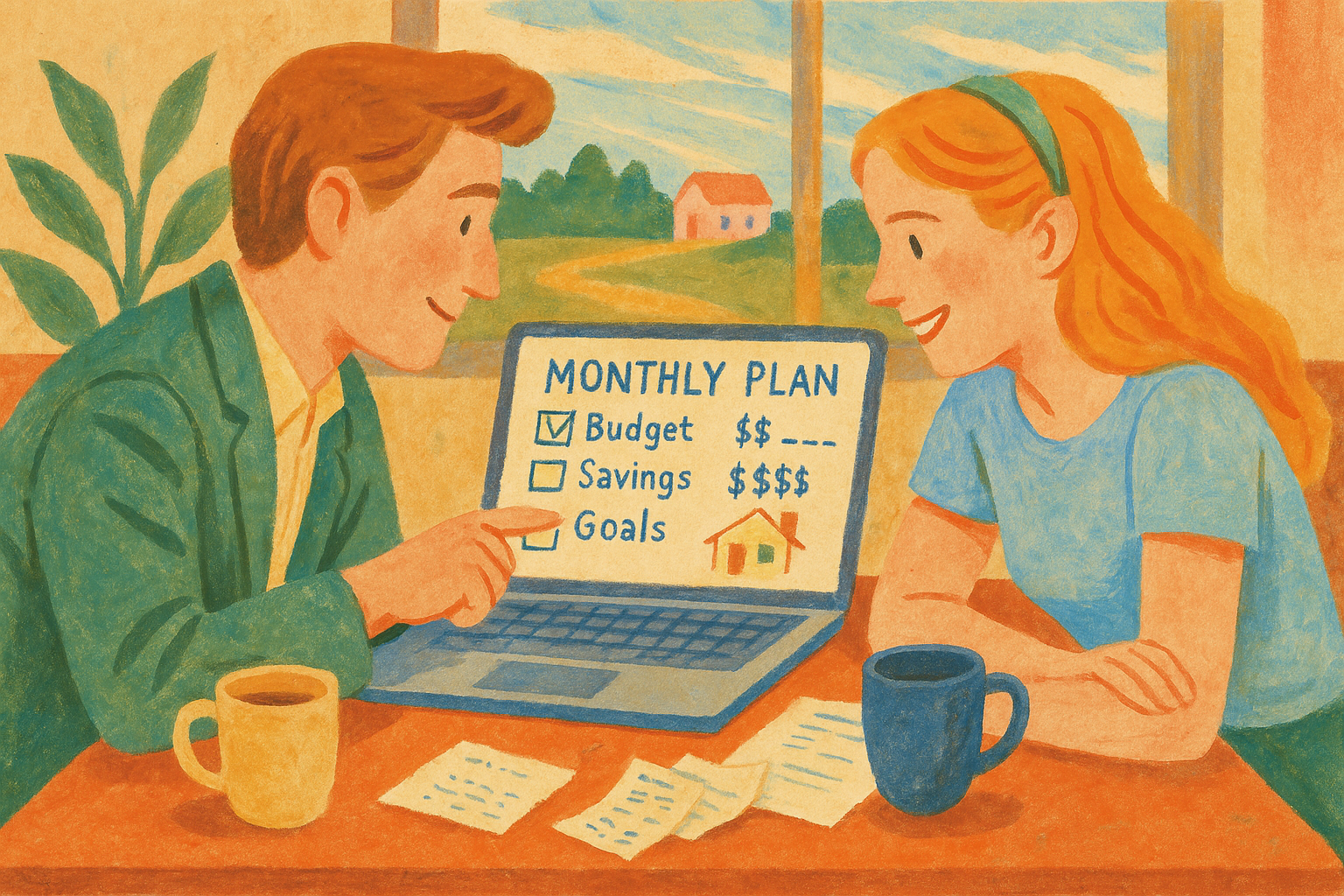
Why financial planning is more important than ever for today’s buyers:
Your guide to budgeting for a home in 2025.
Thinking about a move in 2025? A quick conversation with a Thompson Kane loan officer can help you build a clear plan and a confident budget before you start touring homes.
What inflation means for buyers right now
Inflation has cooled from recent highs, yet it remains above the Federal Reserve’s target. Prices for everyday items and housing costs are still elevated. That affects cash flow, savings goals, and the cushion you keep after closing. You do not need to wait for “perfect” conditions—but you should start with a realistic plan.
Budgeting for a home in 2025: the three pillars
- Cash flow: A monthly budget that includes principal and interest, taxes, insurance, HOA (if any), utilities, internet, and typical maintenance.
- Cash to close: Down payment, closing costs, and prepaid items. Gift funds and assistance programs may be available depending on eligibility.
- Cash reserve: Savings left after closing. Many buyers target at least three months of expenses, though needs vary.
Our team can help you estimate each piece using local tax and insurance assumptions for the property type you’re considering.
Plan beyond the mortgage payment
Set line items for home maintenance, yard care, and seasonal costs. Consider replacement cycles for appliances and major systems. Insurance and property taxes can change year to year. A modest contingency in your budget reduces stress and protects your goals.
Strengthen your approval profile
Lenders review income stability, credit history, and existing obligations. Lower debt loads and on-time payments support a stronger file. Avoid large new debts before you apply. If you’re self-employed, gather tax returns and year-to-date financials early. We can review documents and outline next steps.
Timing and strategy matter
Set a target purchase window and savings milestones. We can model scenarios so you see how price, down payment, and taxes shape your monthly number. When the right home appears, you’ll be ready to act with confidence.
How Thompson Kane helps
We focus on the financial side so your search stays simple. A Thompson Kane loan officer can provide a personalized budget review, discuss loan programs you may qualify for, and prepare a strong pre-qualification or pre-approval—based on documentation and program requirements. We are licensed across multiple states; view our locations here.
Bottom line: With a practical plan, budgeting in a still-inflationary environment is manageable. If you’re ready to run numbers or want a second look at your plan, reach out to our lending team today.
Further Reading/Helpful Articles
Check out these related articles to learn more about how to prepare for homebuying and homeownership:
Five Signs You’re Financially Ready to Buy A Home
Understanding Pre-Approval vs. Pre-Qualification
Should You Pay off Debt Before Buying A House?
The True Cost of Skipping A Home Inspection
8 Key Question to Ask Your Loan Officer Before Closing
Why Credit Scores Matter More Than Ever
Information is for educational purposes only, not financial or tax advice. All loans are subject to credit and collateral approval. Terms, conditions, and program availability may change and can vary by state.

Related Posts


